
BenchApp Blog
How to Run a Successful Sports Tournament: A Manager's Playbook
Organizing a sports tournament is one of the most complex events in recreational sports. Between scheduling multiple teams, managing facilities, coordinating…
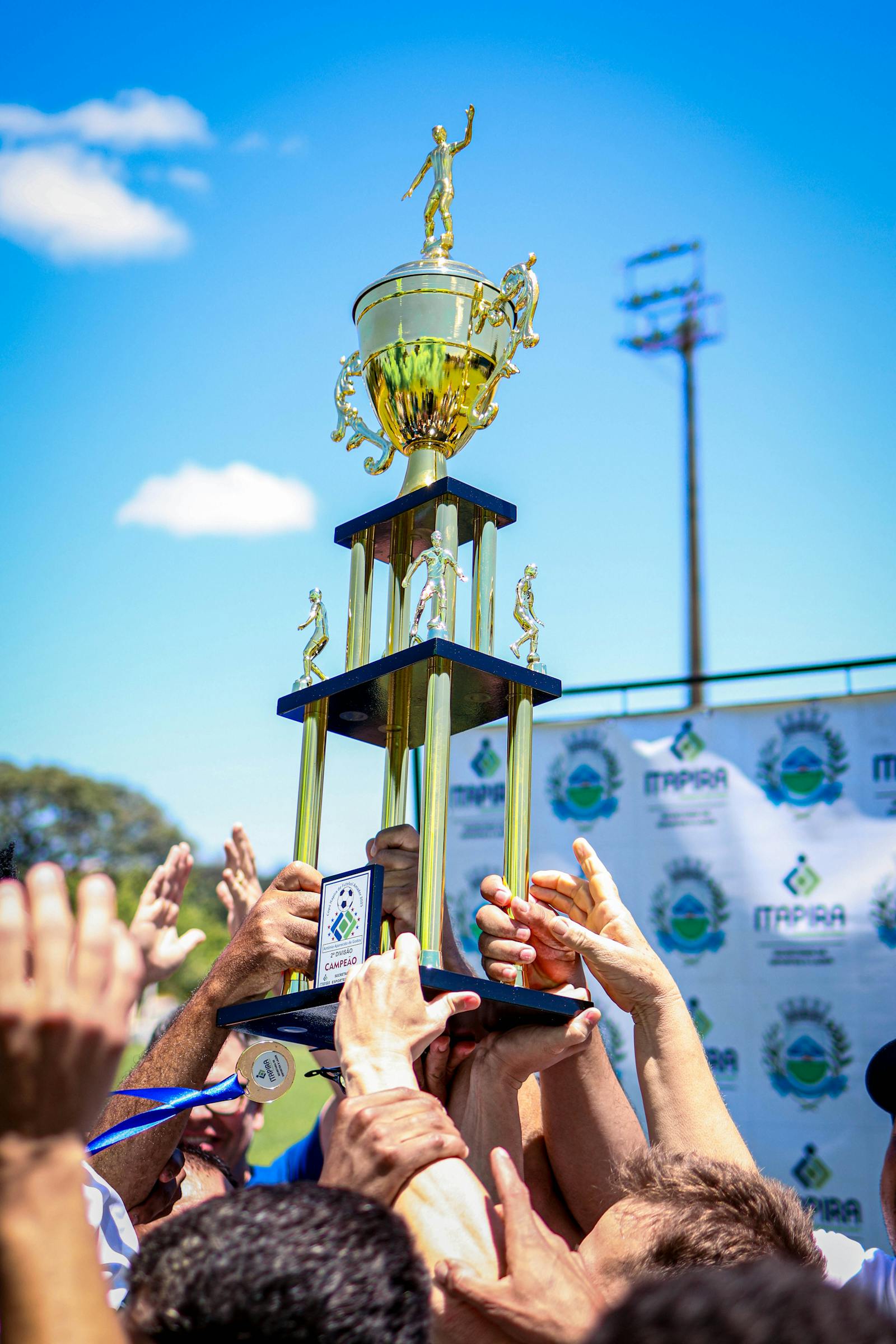
Organizing a sports tournament is one of the most complex events in recreational sports. Between scheduling multiple teams, managing facilities, coordinating referees, handling registrations, and keeping everyone informed, there’s a lot that can go wrong — and when it does, everyone notices.
But a well-run tournament builds your league’s reputation, generates revenue, and creates the kind of memorable sports experience that teams travel to attend year after year. Here’s your complete playbook for running one successfully.
Start Planning Early
Tournament planning should start months before game day, not weeks. The earlier you lock down the big decisions, the smoother everything will be.
Begin with the fundamentals: What sport? How many teams? What format (round-robin, single elimination, double elimination)? What age groups or divisions? What dates work best? Where will it be held?
Create a master timeline working backward from your tournament date. Include deadlines for facility booking, team registration, referee recruitment, schedule publication, and volunteer coordination. Having a clear timeline prevents the last-minute scramble that sinks otherwise promising tournaments.
Secure Facilities and Equipment
Facilities are your biggest logistical challenge. You need enough fields, courts, or rinks to accommodate all your games without running behind schedule all day.
Calculate the total number of games your tournament format requires, then figure out how many game slots each facility provides per day. Build in buffer time between games — at least fifteen to twenty minutes for transitions. Back-to-back games with no break create a cascade of delays that affect the entire tournament.
Book your facilities as early as possible and have a backup plan for weather-dependent outdoor venues. An indoor rain location or a reschedule protocol should be decided before the first team registers.
Build a Fair, Balanced Schedule
Tournament scheduling is where math meets logistics. Every team needs to play the right number of games, with fair rest periods between matches, and ideally without having to travel between multiple venues unnecessarily.
For round-robin formats, use scheduling software to generate a balanced schedule that ensures every team plays every other team with equal rest periods. For elimination formats, seed teams based on registration information or previous results to create competitive matchups throughout the bracket.
Publish your schedule well in advance — at least two weeks before the tournament — and distribute it to all registered teams. BenchApp’s scheduling tools can help you build and distribute tournament schedules quickly, ensuring every team is notified automatically.
Manage Registration and Payments
Open registration early and set a clear deadline. Include all relevant information in your registration materials: dates, times, location, format, rules, entry fee, and what’s included (referee fees, guaranteed games, awards).
Track registrations and payments in a centralized system. Chasing payments from multiple teams via various methods is a recipe for chaos. Know exactly which teams have paid, which have balances outstanding, and what your total revenue looks like relative to your budget.
Consider offering early bird pricing to incentivize prompt registration and give you a clearer picture of your team count earlier in the planning process.
Recruit and Brief Your Referees
Good officiating is essential for a successful tournament. Start recruiting referees early and confirm assignments at least a week before the event. Make sure you have backup officials available for last-minute cancellations.
Brief your referees on the tournament format, rules variations (if any), game length, and your expectations for conduct and pace of play. For recreational tournaments, emphasize that the priority is safety and enjoyment over strict rule enforcement.
Communicate Relentlessly
Tournament communication needs to be proactive and multi-channel. Before the tournament, send registered teams a detailed information package with the schedule, rules, facility maps, parking information, and contact details for the tournament director.
During the tournament, have a clear system for communicating schedule changes, score updates, and any announcements. A central information point at the venue helps, and real-time updates through a team management app keep teams informed even when they’re not at the main venue.
After the tournament, send results, standings, and a thank-you message to all participating teams. Ask for feedback that you can use to improve next year’s event.
Plan for the Unexpected
Weather delays, injuries, no-show teams, facility problems, and scheduling errors will happen. The best tournament organizers aren’t the ones who avoid problems — they’re the ones who handle them calmly and quickly.
Have contingency plans for your most likely disruptions. Know your rain policy, have a plan for if a team forfeits, and know how you’ll adjust the schedule if games run long. Designate a tournament director who has authority to make real-time decisions without consulting a committee.
The Bottom Line
A successful tournament comes down to early planning, clear communication, and the ability to adapt when things don’t go as planned. Invest the time in preparation, use the right tools to manage the logistics, and focus on creating a great experience for every team.
BenchApp’s league and scheduling tools can help you organize your tournament efficiently — from registration and scheduling to team communication and results tracking. Build your next tournament on a foundation that keeps everything running smoothly.