
BenchApp Blog
Basketball Team Management: Tips for Coaches Running Rec and Competitive Programs
Basketball is one of the most popular recreational sports in the world, and managing a basketball team — whether it's a youth program, an adult league, or a…
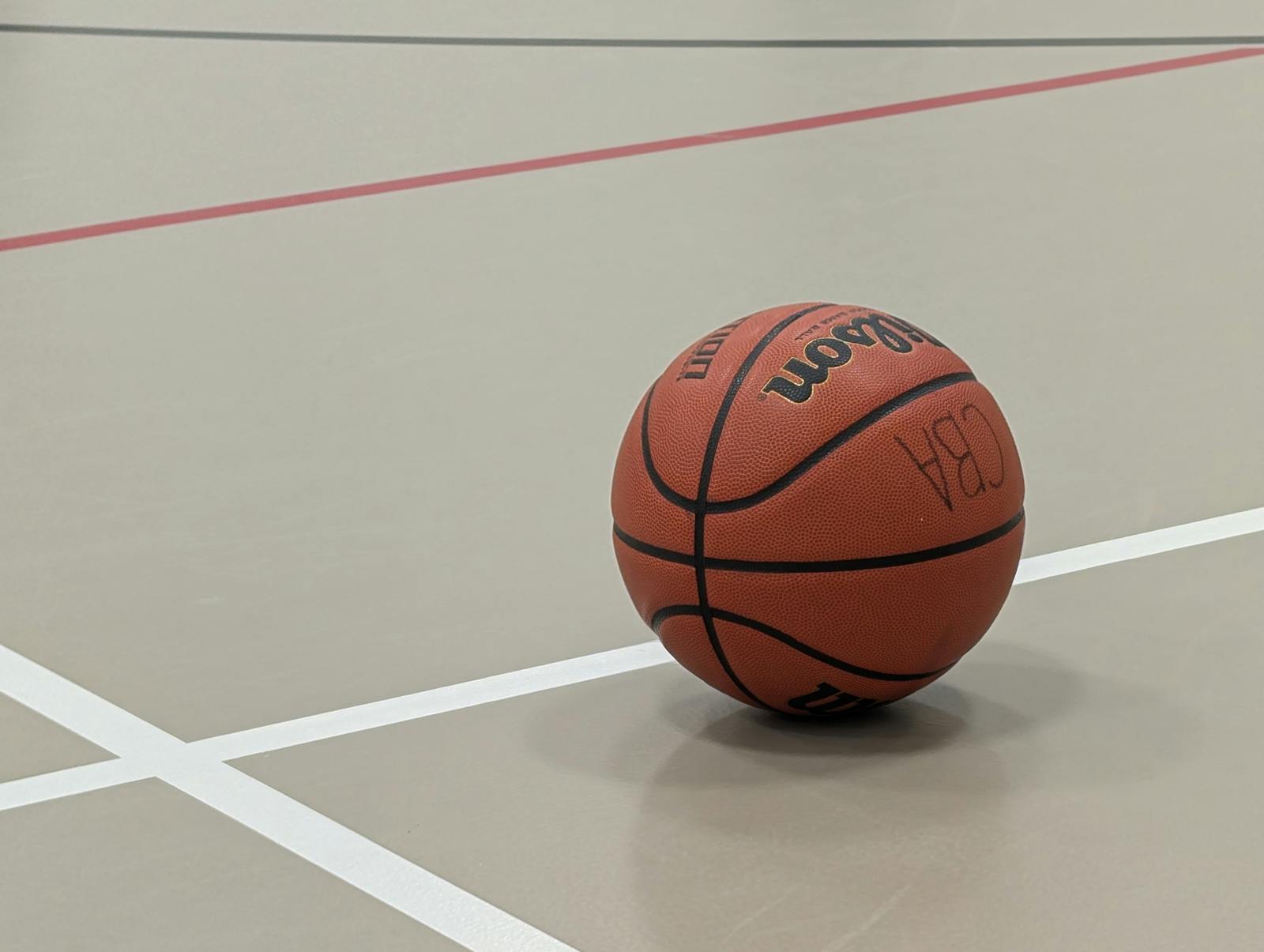
Basketball is one of the most popular recreational sports in the world, and managing a basketball team — whether it’s a youth program, an adult league, or a competitive travel team — comes with its own set of challenges. From gym scheduling to roster rotation, here’s how to run a basketball team that keeps players engaged and coming back season after season.
Master Your Gym Schedule
Gym time is the most constrained resource in basketball. Unlike outdoor sports where you might have some flexibility, basketball requires indoor court space that’s shared with dozens of other programs. Lock down your practice and game times as early as possible, and communicate the full schedule to your team immediately.
Consistency matters more than frequency. Two regular practice slots that players can count on is better than three slots that keep changing. When players know that practice is every Tuesday and Thursday at 7 PM, it becomes part of their routine rather than something they have to check each week.
Use a team management app like BenchApp to publish your schedule where everyone can see it and sync it to their personal calendars. This alone eliminates the majority of “I forgot we had practice” no-shows.
Manage Playing Time Fairly
Playing time is the most sensitive topic in basketball team management, especially for youth teams. Parents track minutes like accountants, and perceived unfairness can poison team chemistry faster than any losing streak.
For youth recreational leagues, commit to equitable playing time and communicate this policy clearly to parents at the start of the season. Every kid should get meaningful minutes in every game. For competitive teams, playing time will naturally vary based on ability and matchups, but be transparent about your approach and the factors that influence your decisions.
Track playing time throughout the season — even roughly — so you can back up your decisions with data. BenchApp’s stats tracking can help you monitor games played and keep a record that supports fair rotation.
Build a Rotation That Works
Basketball is unique among team sports in that substitution patterns directly affect game flow. A good rotation keeps players fresh, manages foul trouble, and ensures your best lineups are on the floor in crucial moments.
For recreational teams, plan your substitutions in advance so every player knows when they’ll be in the game. A simple system — substituting at quarter breaks or every four minutes — keeps things predictable and fair.
For competitive teams, build a rotation based on player strengths, matchups, and game situations. But even competitive rotations benefit from structure — players who know when to expect their minutes can prepare mentally rather than anxiously waiting on the bench.
Keep Practices Engaging
Nothing kills attendance faster than boring, repetitive practices. Mix up your practice plans with a combination of individual skill work, team drills, scrimmaging, and conditioning. For youth teams, incorporate games and competitions that develop basketball skills while keeping things fun.
Structure each practice with a clear beginning (warm-up and stretching), middle (skill development and team concepts), and end (scrimmage or competitive drill). Players should leave every practice feeling like they improved at something.
Share your practice plan with the team in advance so players know what to expect and can come prepared. A quick message in your team app — “Tomorrow’s practice: shooting drills and pick-and-roll work” — sets the right tone.
Handle Team Communication for Game Days
Basketball game days require clear communication about arrival times, opponent information, uniform details, and any pre-game logistics. Send a game-day message that covers everything players and parents need to know.
Include the arrival time (at least 30 minutes before tip-off for warm-ups), the gym location with parking details, the uniform (home or away), and any specific opponent information that’s relevant.
After games, share a quick recap that highlights positive moments. For youth teams, parents especially appreciate hearing what went well rather than a focus on what needs improvement.
Track Your Season With Stats
Basketball lends itself perfectly to stat tracking. Points, rebounds, assists, steals, and blocks are all easy to track and give players tangible measures of their contribution.
Designate a scorer — a parent, assistant coach, or reliable bench player — to record stats during games. Enter them into BenchApp after each game and share updated leaderboards with the team. Players love checking their numbers, and season-long stat tracking provides valuable data for end-of-season awards.
The Bottom Line
Managing a basketball team well comes down to consistent scheduling, fair playing time, engaging practices, clear communication, and tracking the details that keep players invested. The administrative side doesn’t have to eat into your coaching time.
BenchApp handles the logistics — scheduling, attendance, stats, communication, and finances — so you can focus on developing your players and building a team culture that wins both on and off the court. Set up your team for free and start the season organized.